
Tuesday, 29 September 2026, 1pm to 2pm
Department of Biochemistry Seminar
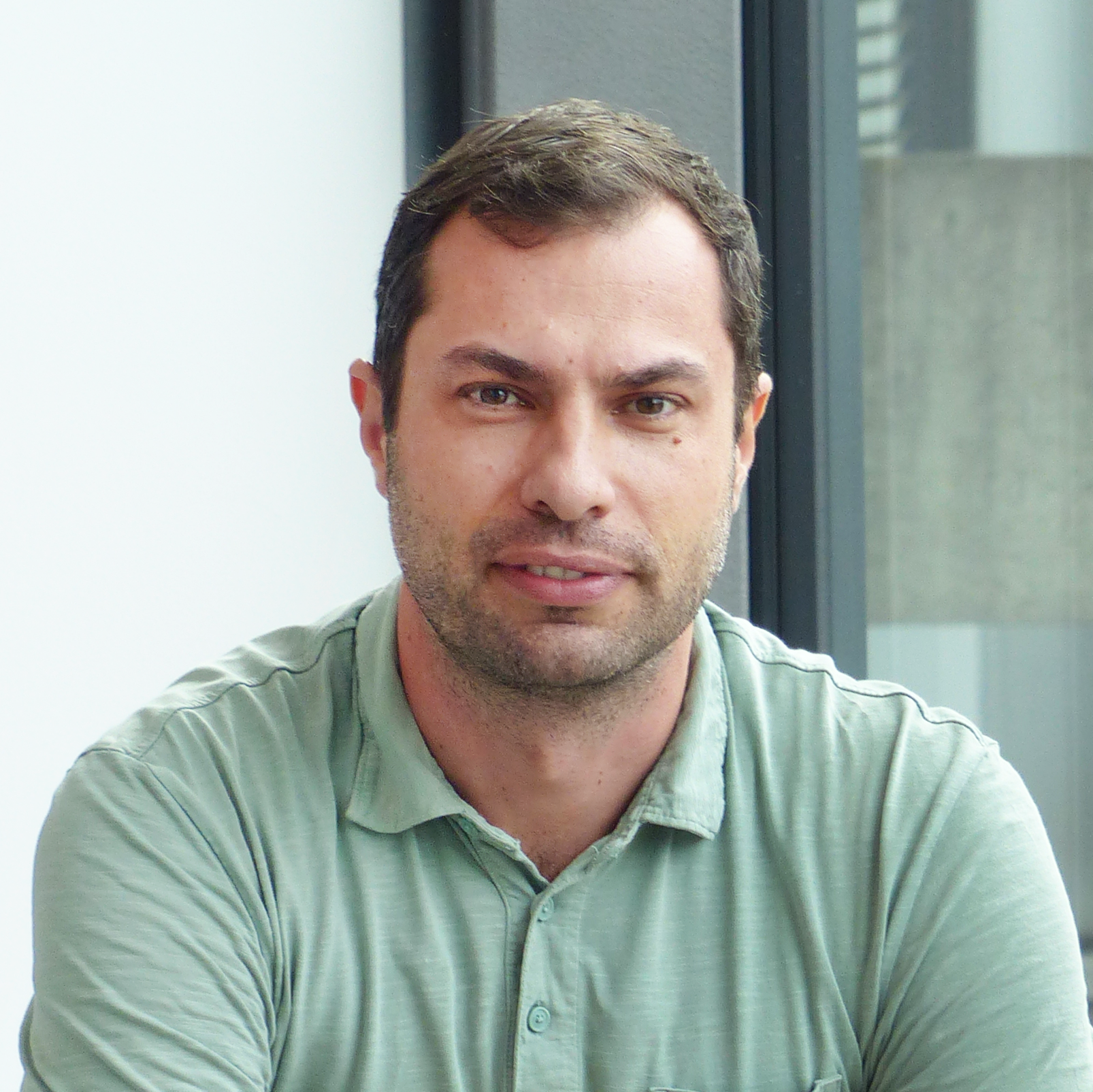
Speaker(s): Dr. Ralph Grand (ZMBH, Germany)
Series: Seminar
Venue:
Dorothy Crowfoot Hodgkin Building - The Raymond Dwek Seminar room
-
The Raymond Dwek Seminar room Dorothy Crowfoot Hodgkin Building off South Parks Road Oxford Oxfordshire OX1 3QU United Kingdom
Department: Biochemistry (Department)
Organiser: Sarah-jane Scard
Host: Professor Rob Klose
More info:
ABSTRACT: Cell viability depends on the precise expression of essential genes, which are controlled by CpG-island (CGI) promoters densely bound by transcription factors (TFs). This has led to the prevailing model that TFs cooperate to ensure ubiquitous expression. Here, using rapid and reversible single and combinatorial degradation in murine stem cells, we systematically dissect the regulatory interactions between five key TFs. We uncover an unexpectedly specific architecture in which regulatory dominance, rather than cooperation, is the prevailing mode, where individual TFs autonomously drive chromatin opening and gene activation at largely distinct promoters. Cooperative regulation occurs at a minority of sites with antagonistic or synergistic outcomes modulated by the interplay between nucleosome positioning and TF sensitivity to chromatin. This logic is recapitulated at synthetic sequences and reflected in human genetic variation. These findings reveal that single TFs dominantly activate distinct sets of CGI-linked genes, including essential genes, across development, homeostasis, and disease.
BIO: Ralph studied molecular biosciences at Massey University in Auckland, New Zealand, and then continued with a PhD in genetics, investigating how three-dimensional genome conformation changed in response to the environment together with gene expression, under the supervision of Prof. Justin O’Sullivan, and supported by a Massey University doctoral scholarship. In 2015, Ralph moved to the Friedrich Miescher Institute for Biomedical Research (FMI) in Basel, Switzerland, to pursue a Postdoc in the lab of Prof. Dirk Schubeler, studying the mechanisms of how transcription factors engage DNA in the context of chromatin. During this time, Ralph discovered a new transcription factor called BANP, which was able to organise chromatin and activate genes essential for cell viability. For this work, he was supported by two prestigious fellowships, the EMBO long-term fellowship and the Marie-sklodowska Curie fellowship. Ralph then got the opportunity to start his own group at the Center for Molecular Biology (ZMBH) at Heidelberg University in 2022, where he continues to dissect the regulatory mechanisms that govern the expression of essential genes.