
3’ RNA Uridylation: Biological Insights and Targeted Inhibition as a Cancer Therapy
Audience: Member of University - ALL Format: In Person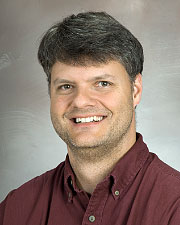
Thursday, 16 July 2026, 3pm to 4pm
3’ RNA uridylation, a newly discovered form of post-transcriptional gene regulation, plays a critical and underappreciated role in mammalian development, stem cell biology, and tumorigenesis. Mechanistically, we showed that the proto-oncogene and reprogramming factor LIN28A recruits the Terminal Uridylyl Transferase (TUTase) TUT4 to block the biogenesis of the tumor suppressor let-7 microRNA family. Experimental TUT4 depletion or let-7 restoration caused regression of established LIN28A-positive xenograft models for human breast and ovarian cancers. In addition, TUTases target directly specific mRNAs for degradation, including many transcripts encoding tumor suppressors characterized by frequent 3’ mRNA uridylation. To assess the feasibility of targeting the LIN28 and TUTases, we exploited conditional mouse knockouts, revealing important roles for these genes during embryonic development and their dispensability in adults. In collaboration with GlaxoSmithKline, we performed a biochemical screen (~1.7 million compounds), identifying a potent small-molecule inhibitor of both TUT4 and TUT7. In parallel, Redona Therapeutics discovered TUT7 inhibition as synthetic lethal in FOCAD-deficient cancer cell lines. In these cells, loss of FOCAD disrupts RNA surveillance via the SKI complex, creating a dependency on TUT7 and DIS3L2 for RNA turnover. In comparison to the Redona TUTase inhibitors, our compounds have superior drug-like properties. Ongoing work seeks to develop TUTase inhibitors preclinically as pharmacological inhibition may be an effective therapy for cancers that express LIN28A or harbor deletions of FOCAD, a tumor suppressor gene located at 9p21.3 near the CDKN2A/CDKN2B locus.
Speaker(s): Associate Professor John Hagan (The University of Texas Health Science Center at Houston)
Series: Seminar
Venue:
Dorothy Crowfoot Hodgkin Building - Seminar Room 2 (Room 20-138)
-
Seminar Room 2 (Room 20-138) Dorothy Crowfoot Hodgkin Building off South Parks Road Oxford Oxfordshire OX1 3QU United Kingdom
Department: Biochemistry (Department)
Organiser: Faraz Mardakheh
Host: Professor Faraz Mardakheh