
'Paiban'/Clappers, Rhythm, and Cultural Integration
Audience: Public Format: In Person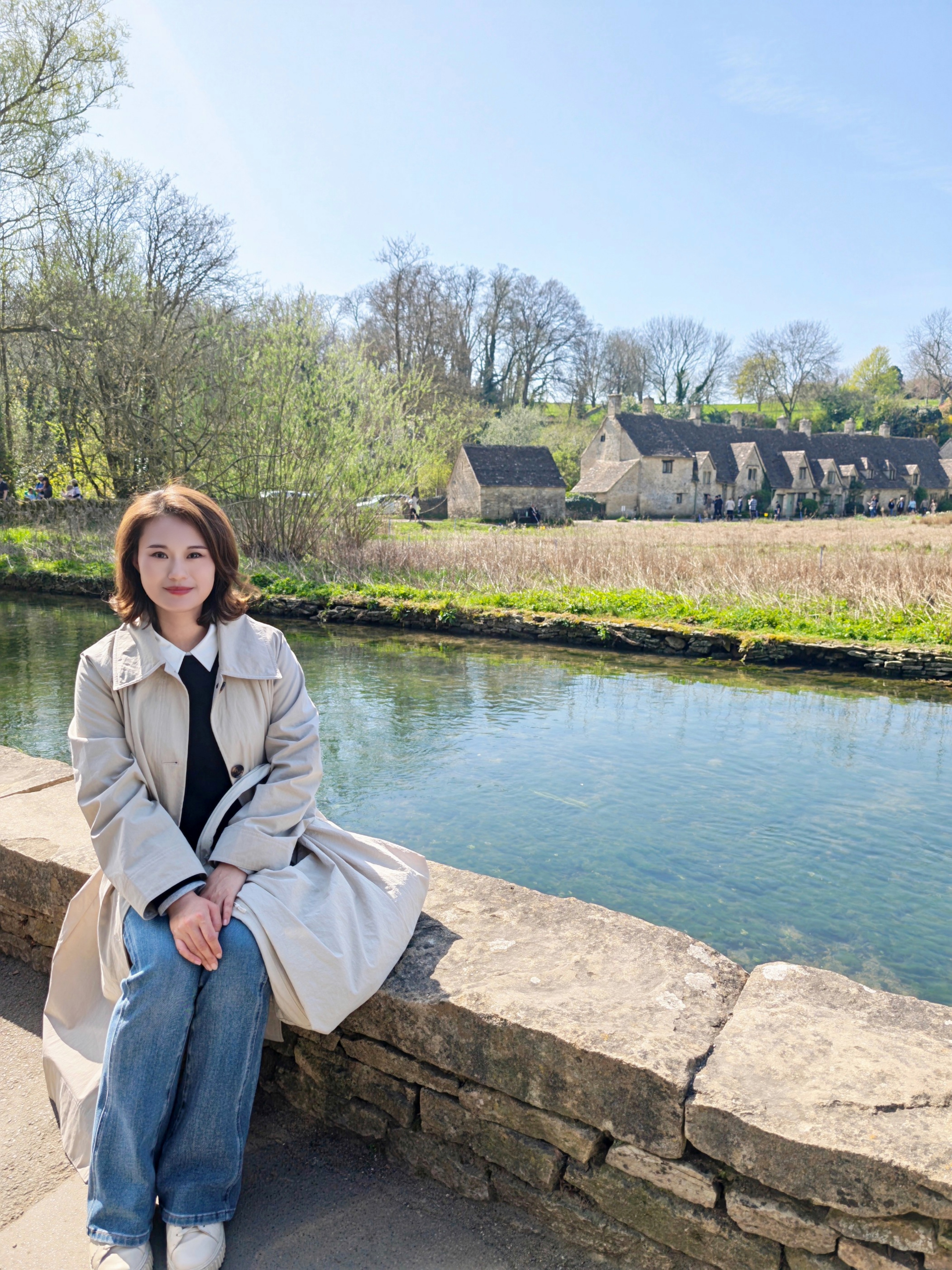
Talk in Mandarin followed by Q&A (Mandarin and English)
Friday, 15 May 2026, 12pm to 1pm
'Paiban' (clappers) are an essential element in Chinese music as well as in lyric and musical literature, and their functions and meanings have evolved over thousands of years. In early periods, they were instruments used to mark rhythm; later, due to their close association with timing and meter, they gradually became a key medium linking literary expression and music. During the Tang dynasty, it was said that 'the clapper marks the musical phrase', revealing the intrinsic unity between poetic rhythm and musical timing. From the Ming dynasty onward, with the development of operatic vocal styles, the function of the clappers gradually shifted from marking musical phrases to regulating syllabic pronunciation and standardizing vocal delivery. By the Qing dynasty, this usage had permeated various forms of traditional musical practice.
This shift in rhythmic conception – from 'pointing to textual phrases' to 'orienting toward temporal duration' – not only reflects the internal evolution of Chinese music itself, but also profoundly demonstrates how historical intercultural exchanges shaped Chinese musical forms. This lecture will focus on the changing functions of the paiban, exploring the historical transformation of Chinese rhythmic systems and the cultural factors behind it.
Wu Dan holds a PhD in Classical Chinese Literature from Zhejiang University and completed postdoctoral research in the Department of Chinese at Sun Yat-sen University. She is currently an Associate Professor and Master’s Supervisor at Zhejiang University of Finance and Economics. Her research focuses primarily on the music of traditional Chinese opera. She has led two national-level projects funded by the National Social Science Fund, including the 'Research on Kunqu Gongche Notation and the Construction of an Intelligent Platform', as well as one project funded by the Ministry of Education and one postdoctoral research project. Her publications include: 'On the Essence of Musical Regulation in Qu: Centered on the Changing Relationship Between Text and Music' (Zhejiang Academic Journal, Oct. 2024) and 'Establishment and Transformation of Operatic Prosody: A Historical Study Focused on the Relationship Between Tune Patterns and Vocal Styles' (Chinese Opera Arts, Issue 4, 2023).
Speaker(s): Professor Wu Dan (Zhejiang University)
Series: Mandarin Forum
Venue:
Dickson Poon Building, Oxford China Centre - Lucina Ho Seminar Room (first floor)
-
Lucina Ho Seminar Room Dickson Poon Building, Oxford China Centre Canterbury Road Oxford Oxfordshire OX2 6LU United Kingdom
Department: Asian and Middle Eastern Studies (Department)
Organiser: Dr Yang Han
Host: Professor Todd Hall and Dr Yang Han